
Your Company Logo
Home Destinations Tour Packages Travel Info About Us Contacts
Katavi Katavi Katavi Katavi

Katavi National Park

Tanzania's last great wilderness — raw, remote, and untouched.

Why Katavi?

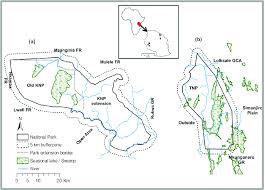
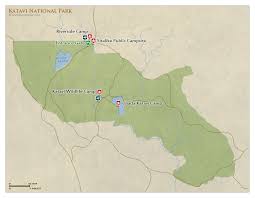
Katavi National Park is Tanzania's third largest national park and one of Africa's last truly remote wilderness areas. Covering over 4,471 square kilometres in the remote southwest of Tanzania, it sits in a vast flood plain centered on the seasonal Lake Katavi and Lake Chada — a landscape of extraordinary isolation and raw, unfiltered wildlife drama.

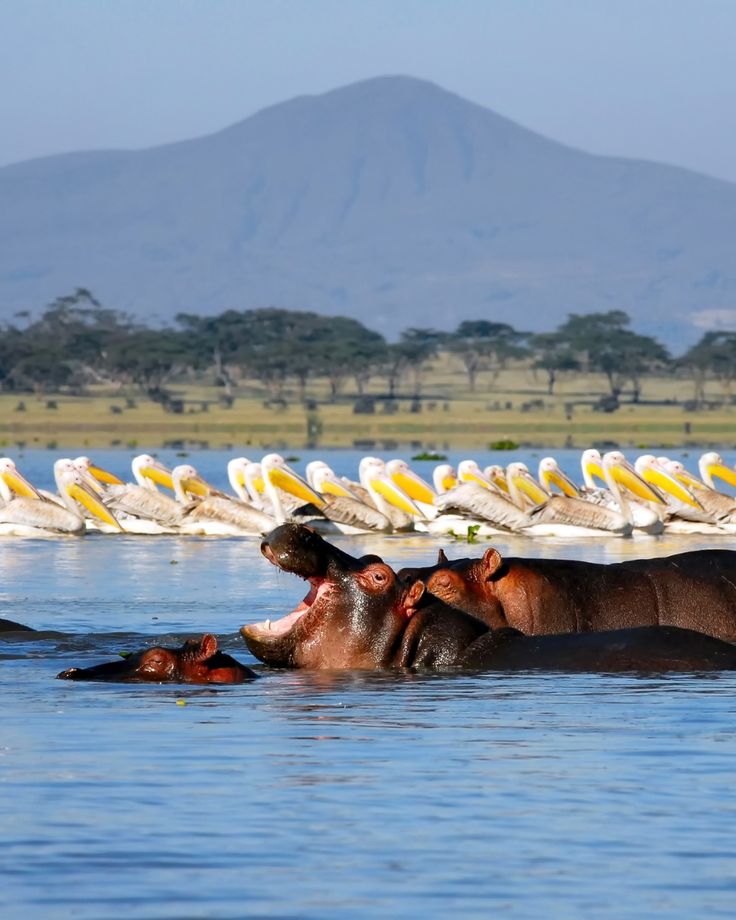
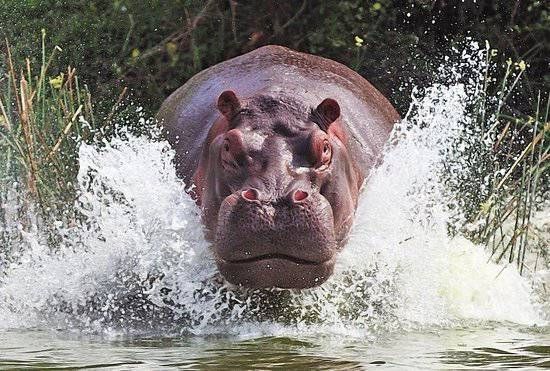
Unlike the well-worn paths of the northern circuit, Katavi receives only a handful of visitors each year, making every game drive feel like a private audience with nature. The park is renowned for its staggering concentrations of hippos — thousands of them crowded into shrinking river pools during the dry season — and vast herds of buffalo that darken the plains like a living tide.

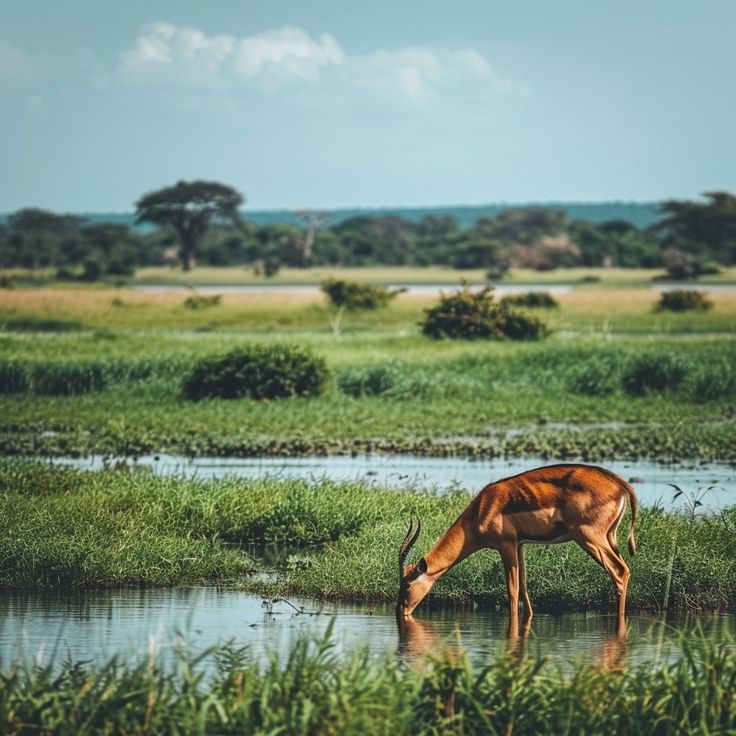
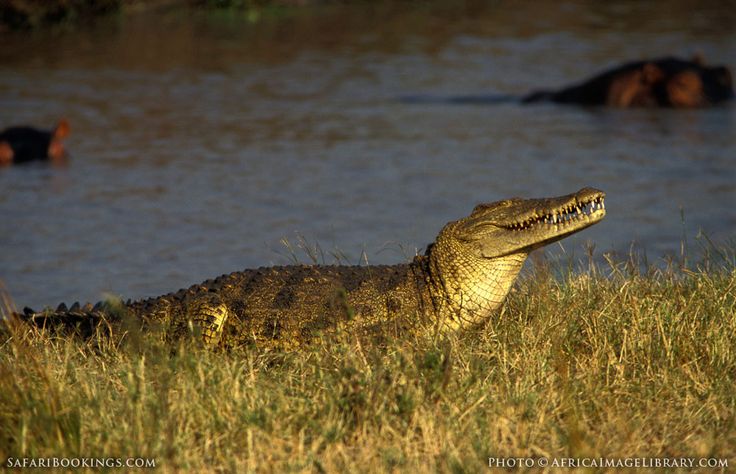
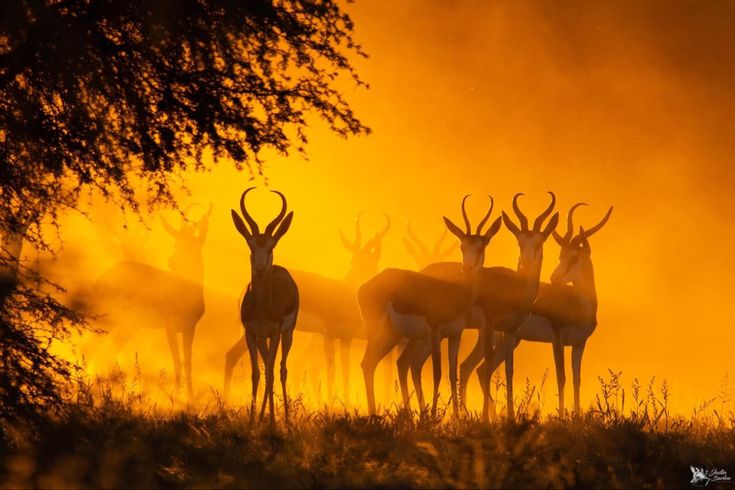
Katavi is a park for the serious safari traveller. Here there are no crowds, no minibuses, and no tourist traffic — just you, your guide, and an Africa that feels completely and magnificently unchanged. Lions ambush buffalo on open floodplains. Crocodiles patrol sun-baked mud banks. Puku antelope graze at the water's edge beneath a sky that seems wider than anywhere else on earth.

The sheer density and drama of wildlife spectacles in Katavi — particularly during the dry season from June to October — rival anything seen in more famous parks, yet take place in almost total solitude. For those willing to make the journey, Katavi delivers an experience that is deeply, permanently unforgettable.

Katavi Defined

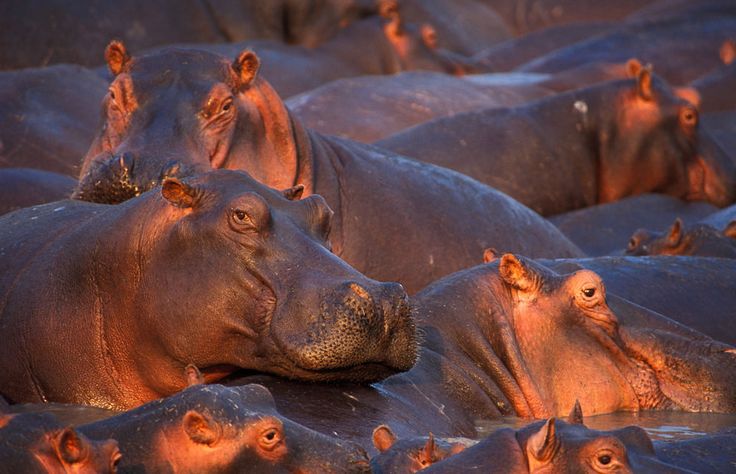
Katavi floodplains with hippo pools
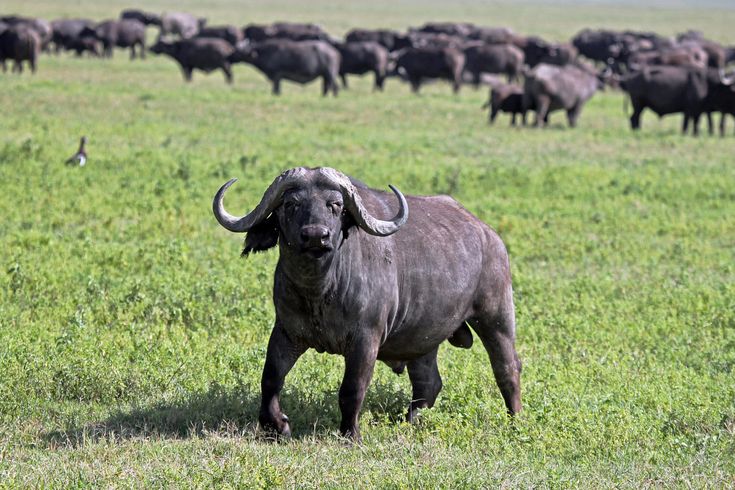
Massive buffalo herd crossing Katavi plains

Venture into Africa's forgotten frontier

The journey to Katavi is part of the adventure itself. Small charter planes cross hundreds of kilometres of untamed miombo woodland before touching down on a remote bush airstrip — and from that moment, the outside world ceases to exist. No phone signal. No other camps in sight. Just the sounds of hippos bellowing across the floodplain and the distant rumble of a lion at dusk. Katavi doesn't perform for its visitors; it simply exists, wild and indifferent, offering those patient enough to seek it out a glimpse of Africa as it has always been.

The Katavi Allure

Hippo Pool Spectacle

ICONIC KATAVI EXPERIENCE

Watch thousands of hippos pack into shrinking mud pools during the dry season — a primal spectacle found nowhere else on earth.

KATAVI • TANZANIA

Buffalo Plains

WILDLIFE SPECTACLE

Witness buffalo herds thousands strong rolling across the floodplains — and the lions that stalk them under the cover of tall grass.

KATAVI • TANZANIA

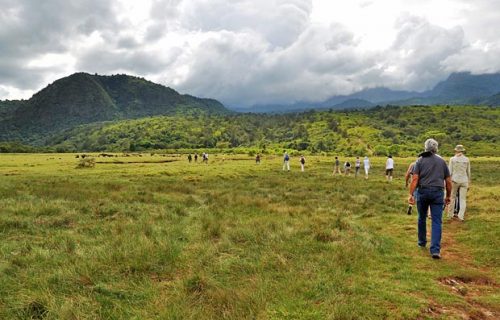
Walking Safari Katavi

INTIMATE & IMMERSIVE

Walk the floodplains with experienced guides in total solitude — no other vehicles, no other camps, just untamed African wilderness.

KATAVI • TANZANIA

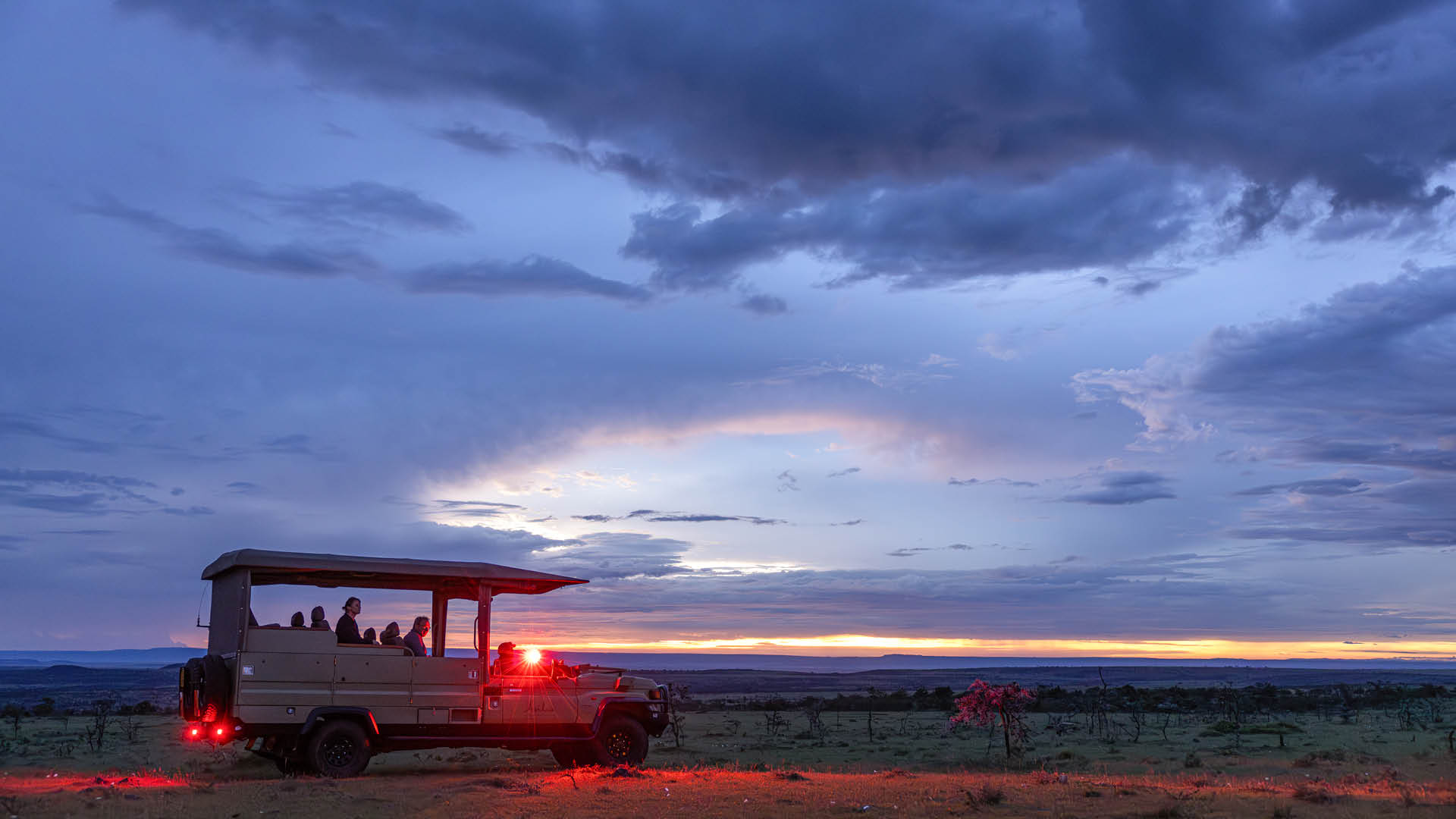
Night Game Drive Katavi

AFTER DARK ADVENTURE

Explore the remote floodplains after sunset, where leopards, civets, and genets emerge under an impossibly star-packed sky.

KATAVI • TANZANIA

Bush Sundowners Katavi

UNFORGETTABLE MOMENTS

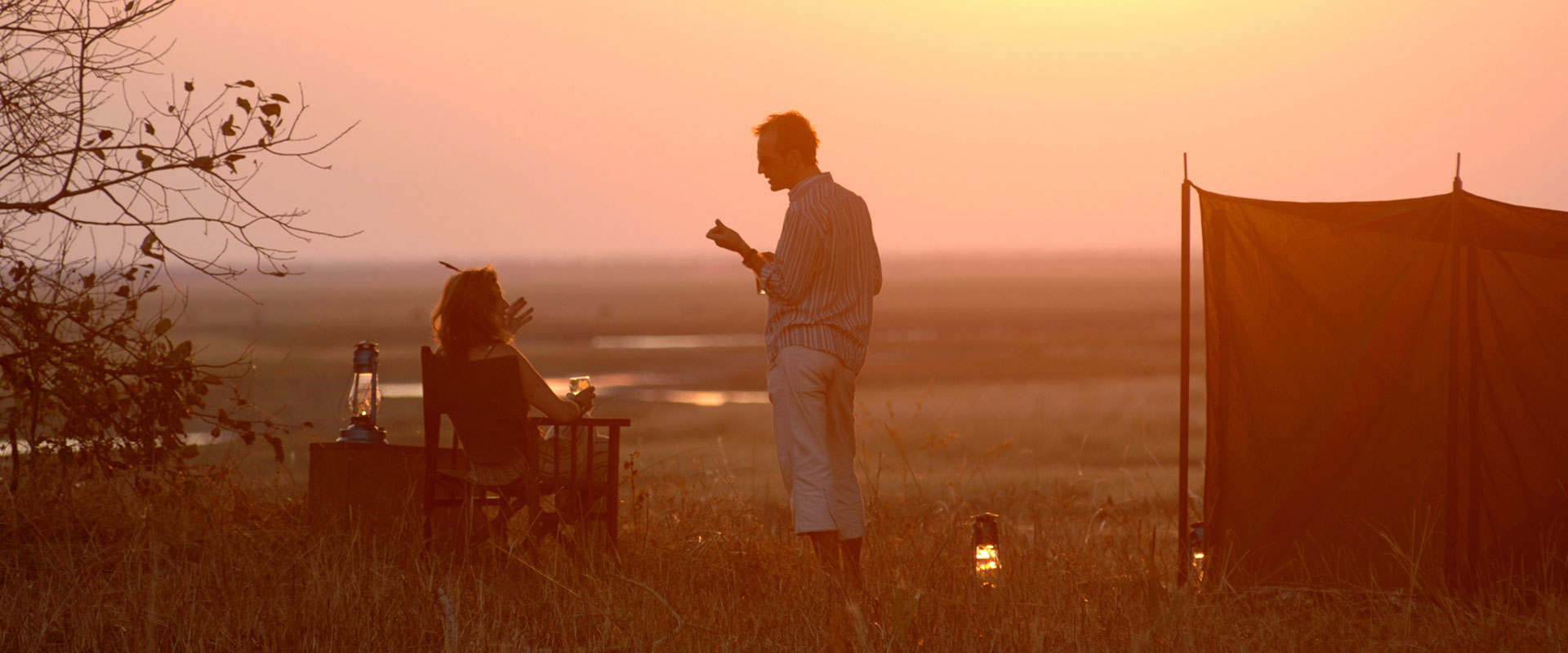
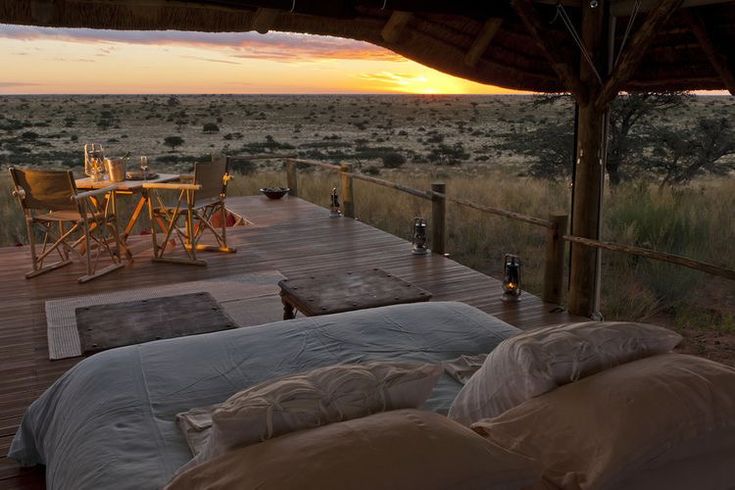
Raise a glass to the setting sun over Lake Katavi as hippos surface and elephant silhouettes cross the golden horizon.

KATAVI • TANZANIA

Regions of Katavi

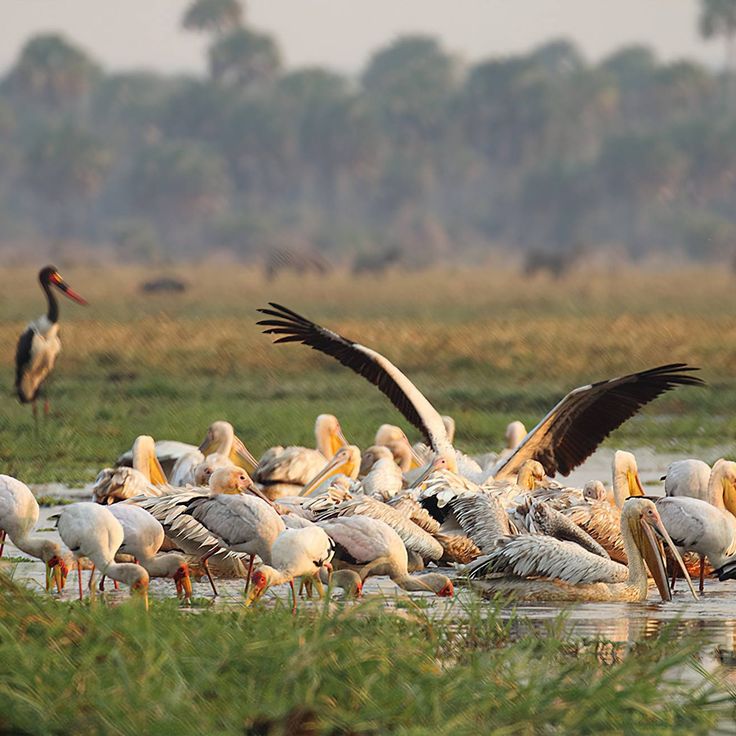
Katavi National Park is shaped by a dramatic seasonal rhythm played out across four distinct zones. At the park's beating heart lies Lake Katavi, a seasonal floodplain that transforms in the dry season into a chaotic, hypnotic congregation of hippos, crocodiles, and predators competing for the last precious water. To the south, Lake Chada draws puku, waterbuck, and wading birds to its fringes, offering serene, lesser-visited game viewing in an atmosphere of total calm. The vast Katuma River Corridor serves as Katavi's great artery — a ribbon of life threading through the park, sustaining elephant, lion, and leopard year-round even as the plains dry out. Finally, the encircling Miombo Woodland forms a wild, borderless frame — home to sable antelope, roan antelope, and the elusive wild dog — a seldom-seen forest world that rewards those who venture beyond the floodplain.

Tanzania

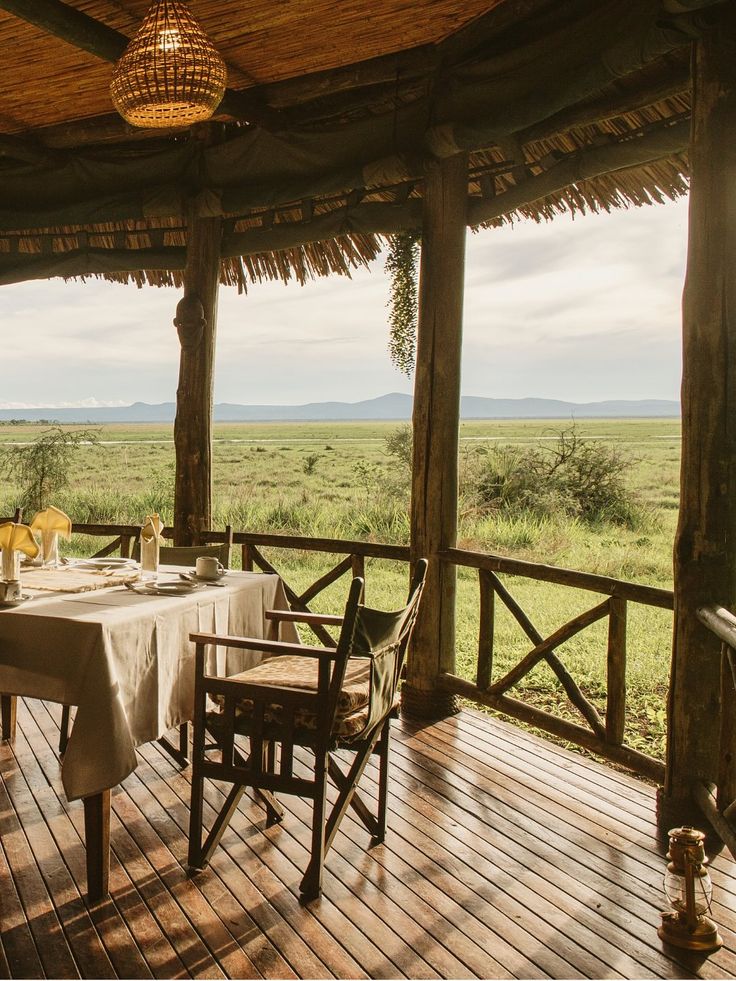
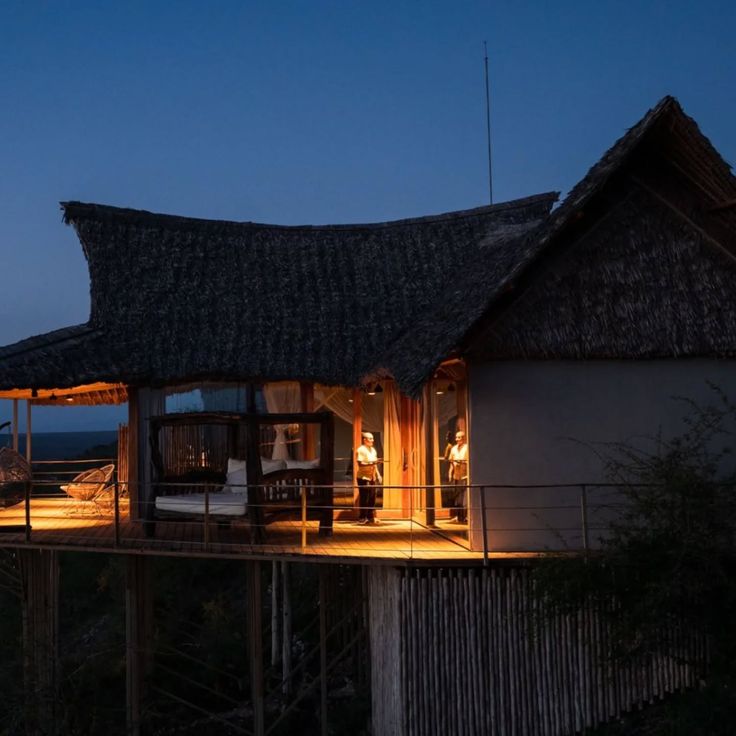
Chada Katavi Camp

Chada Katavi Camp
Tanzania

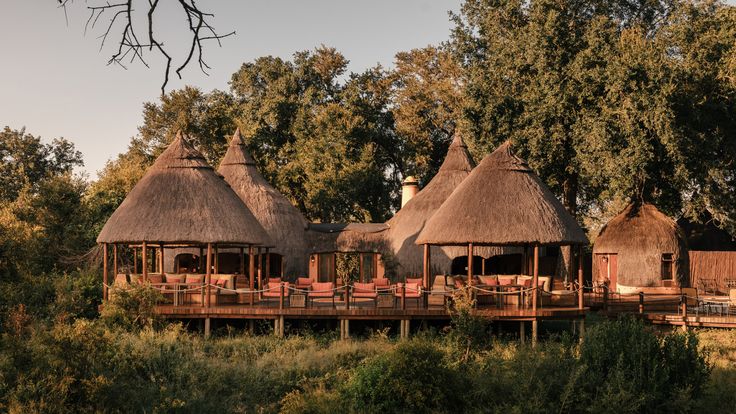
Katavi Wildlife Camp

Katavi Wildlife Camp
Tanzania

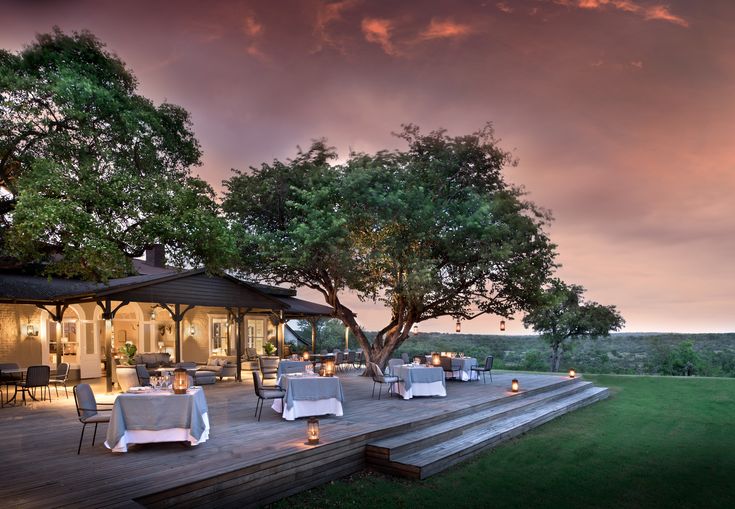
Mbali Mbali Katavi Lodge

Mbali Mbali Katavi Lodge
Tanzania

Flycatcher Safaris Camp

Flycatcher Safaris Camp
Tanzania

Katavi Hippo Camp

Katavi Hippo Camp
1 of 5
Section Background

Katavi is calling. Are you ready to answer?

A successful Katavi safari demands planning around the dry season (June to October), when plummeting water levels force every creature in the park into a dramatic, tightly packed confrontation around the remaining pools and riverbeds. With only a small number of camps operating in the entire park, accommodation must be booked months in advance. Access is almost exclusively by charter flight from Arusha or Dar es Salaam via Mpanda — so build your itinerary around fly-in logistics. Choose a camp positioned near the Katuma River or Lake Chada floodplain for the most concentrated and dramatic wildlife viewing, and prepare for an experience that is as raw and uncompromising as Africa gets.

Katavi FAQs

The dry season from June to October is by far the best time to visit Katavi. As the seasonal lakes and rivers shrink, wildlife concentrates around the remaining water sources in extraordinary numbers — producing some of the most dramatic hippo and predator sightings in Africa. The wet season (November to May) brings lush green landscapes and excellent birdwatching, but many camps close and the roads become impassable.

Due to its extreme remoteness, Katavi is almost always accessed by charter flight:

  • By Air: Charter flights operate from Arusha, Dar es Salaam, or nearby parks like Mahale Mountains. Flight time from Arusha is approximately 3 to 4 hours with a stop, or shorter direct charters. This is by far the most practical and recommended option.
  • By Road: Katavi can be reached overland from Mpanda town, but the journey involves many hours on rough, remote tracks and is only advisable during the dry season in a well-equipped 4WD vehicle. This route is rarely used by tourists.
  • Hippos: Katavi is home to one of the largest hippo populations in Tanzania — up to 4,000 individuals — which congregate in spectacular numbers during the dry season.
  • Buffalo: Herds of several thousand buffalo are a defining feature of the park, attracting large prides of lions and lone leopards.
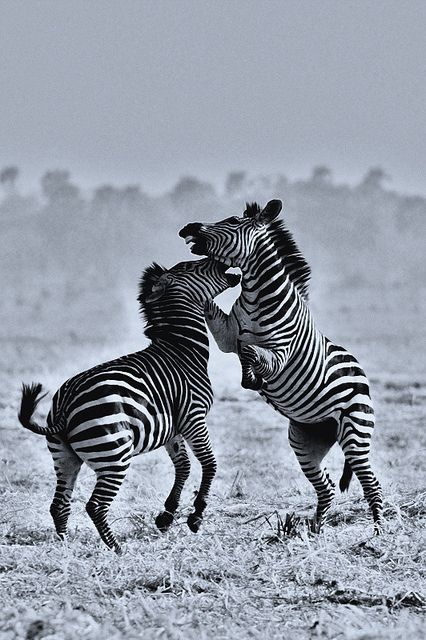
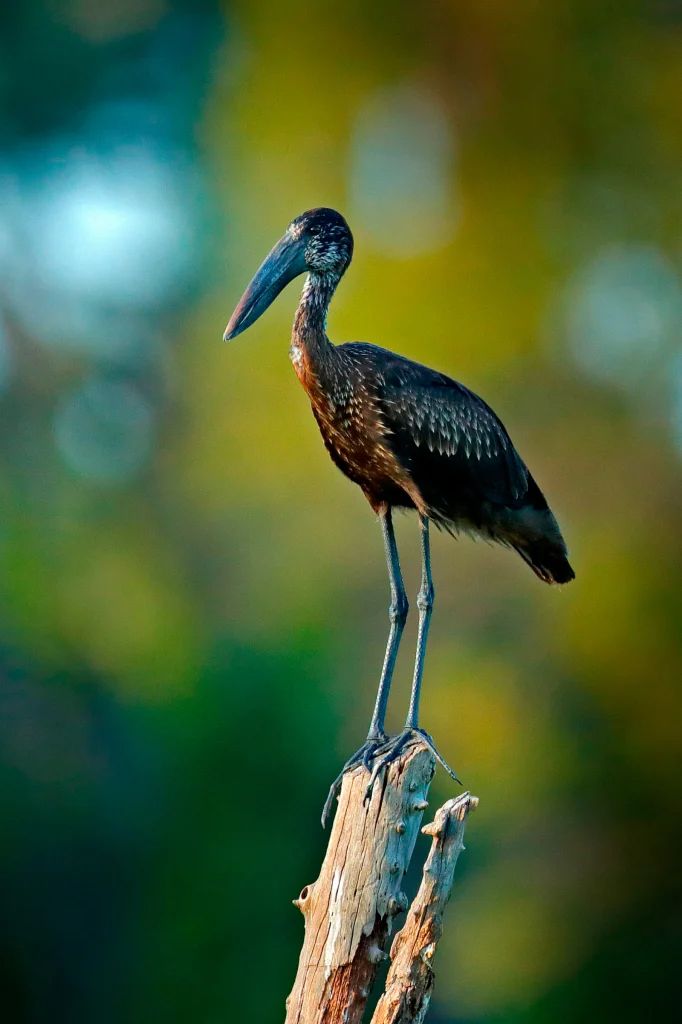
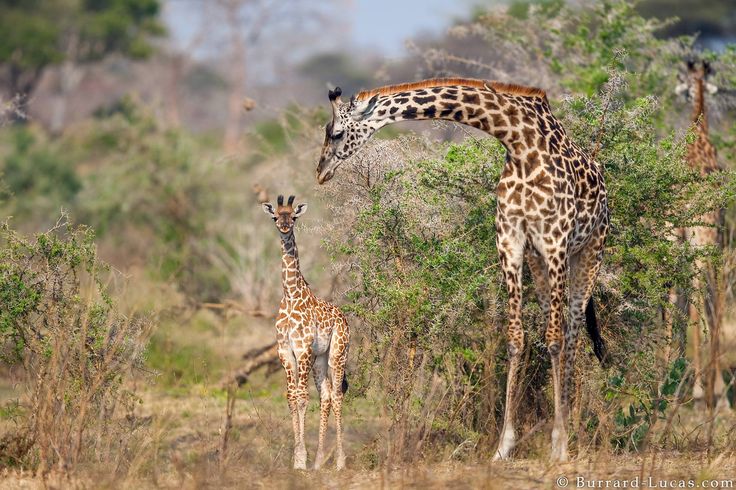
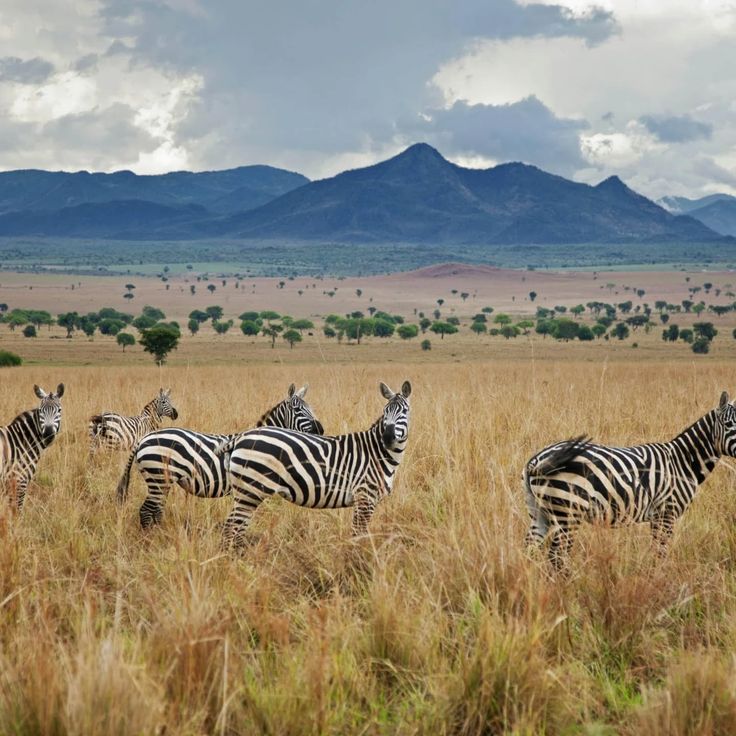
  • Other species: Elephant, crocodile, giraffe, zebra, puku, waterbuck, roan antelope, sable antelope, wild dog, cheetah, and an exceptional diversity of water birds including the African fish eagle and saddle-billed stork.

The two major considerations for Tanzania are:

  • Malaria: Katavi is a high-risk malaria zone. Prescription anti-malarial prophylactics are strongly recommended, along with DEET-based insect repellent and long-sleeved clothing at dusk and dawn.
  • Yellow Fever: A Yellow Fever vaccination certificate is mandatory if entering Tanzania from a country with risk of yellow fever transmission. Given Katavi's remoteness, carrying comprehensive travel insurance and a satellite communication device is also strongly advised.

Neutral-coloured, lightweight clothing (khaki, olive, sand) is essential — both for blending with the environment and for avoiding tsetse flies, which are attracted to dark blue and black. A wide-brimmed hat, quality binoculars, and a good camera with a telephoto lens are highly recommended.

As with all bush charter flights in Tanzania, a strict luggage limit of 15 kg (33 lbs) applies, and all baggage must be packed in soft-sided duffel bags. Hard suitcases cannot be accommodated in the small charter aircraft used to reach Katavi.