A safari is a Life-Changing Experience,
We’ve got Yours.
“Imagine this: the moment your plane touches down in Arusha, the same warm smile that greeted you in your very first email is waiting at arrivals. That’s Adam—our owner, your private guide, and the friend you haven’t met yet. For 30 years he’s been chasing sunrises over the Serengeti, whispering secrets to leopards in the Crater, and learning every traveler’s heartbeat.
This isn’t just a safari; it’s your safari. From the second you step off the tarmac to the tearful hug goodbye, Adam is with you—curating every game drive, every campfire story, every breath-taking encounter tailored just for you.
No strangers, no checklists, no rush. Just one passionate soul who knows Tanzania like his childhood backyard…and can’t wait to show you home.”
Explore Tanzania’s most iconic and breathtaking safari destinations.
"Epic Safaris Timeless Tales!"
Ranked Among the Top Safari Operator in Tanzania on TripAdvisor

Every journey with us supports Tanzania’s people, wildlife, and future. Protecting tomorrow’s wilderness today.

Since 1990 — Masters of the Serengeti

Every journey is private, personal, and unique.

Fair wages, wildlife protection.

We live for your “wow” moments.
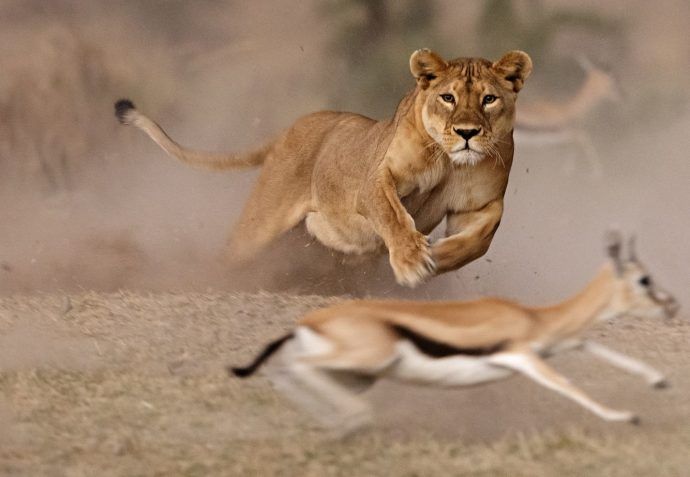
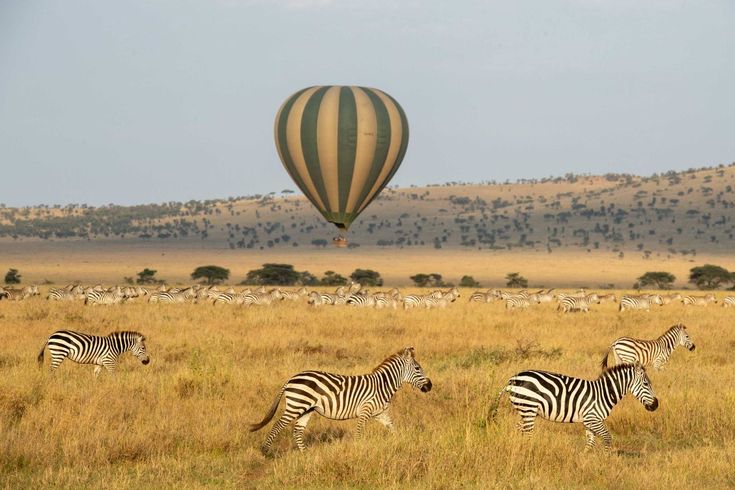
Embark on Journeys that Rewrite your Story.
From Kilimanjaro’s sunrise to Zanzibar’s turquoise waves —
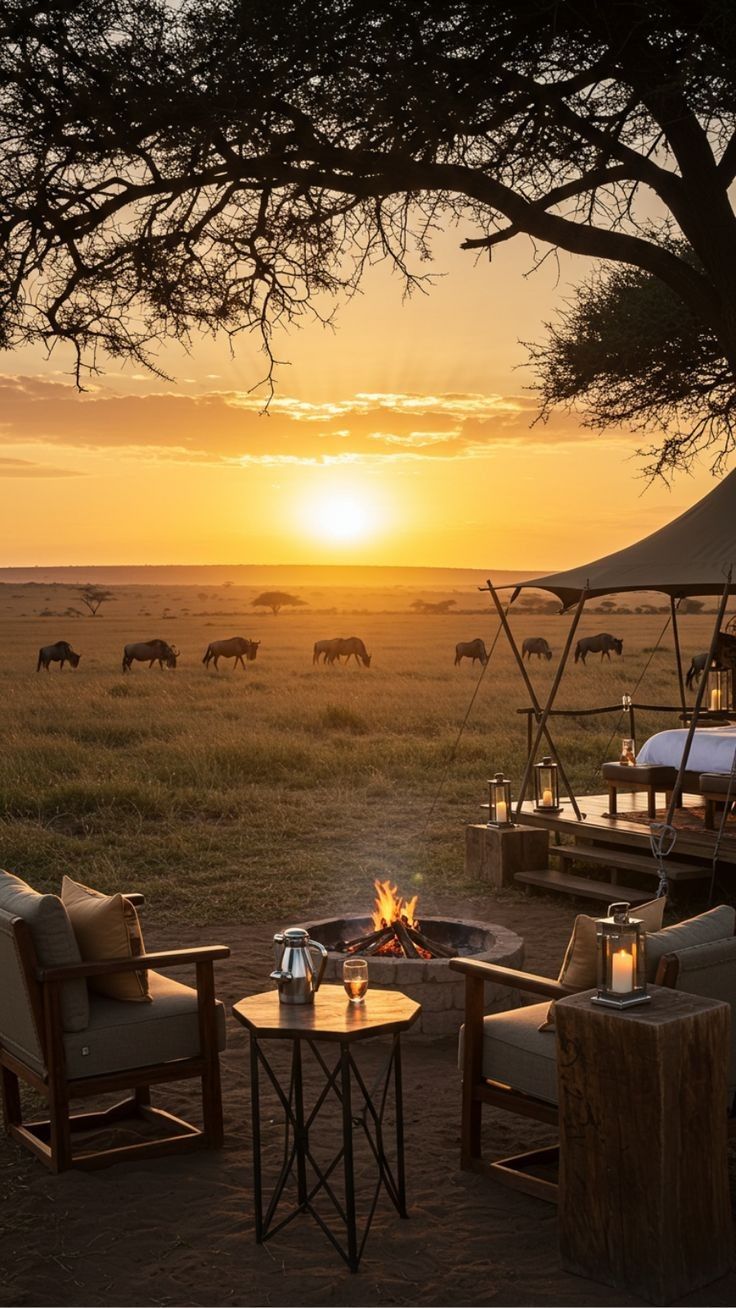
follow the pulse of the Great Migration, encounter rare wildlife in the breathtaking Ngorongoro Crater,
meet the Maasai, soar over the Serengeti, and discover what adventure truly means.
One trip. Endless wonder.
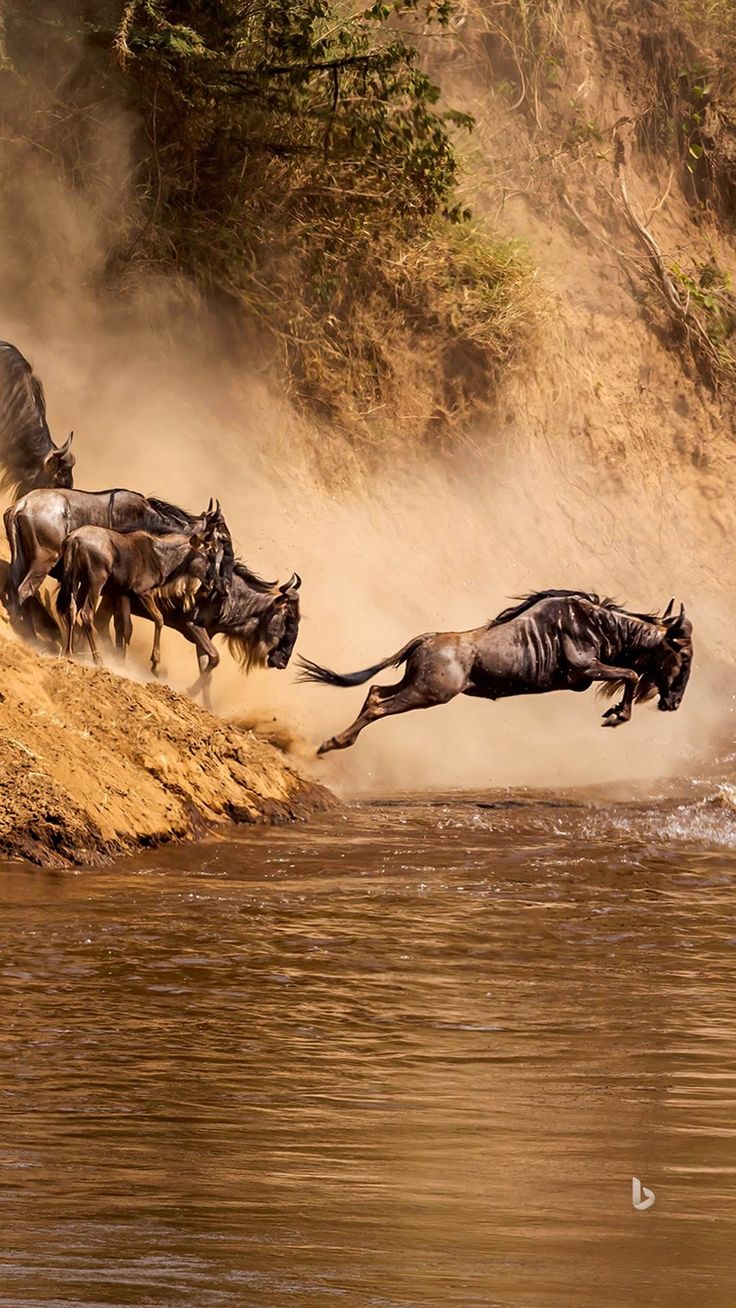
Because the migration is a continuous, year-round loop driven by rainfall, where you need to be depends entirely on the month. The iconic river crossings (over the Mara and Grumeti rivers) usually happen from July to October in the Northern Serengeti. If travelers want to see the calving season—where thousands of wildebeest are born daily—they should visit the Southern plains between January and March.
It depends on budget and time:
The two major considerations for Tanzania are:
Light, breathable clothing in neutral tones (khaki, olive, beige, brown) is essential to blend in with the environment and avoid attracting insects (bright blue and black attract tsetse flies).
More importantly, if travelers are taking domestic bush planes between camps, they are strictly limited to 15 kg (33 lbs) of luggage, and it must be packed in soft-sided duffel bags because hard suitcases cannot fit into the small aircraft cargo holds.