Your Company Logo
Home Destinations Tour Packages Travel Info About Us Contacts
Serengeti Serengeti Serengeti Serengeti

Manyara National Park

The rift valley oasis of climbing lions and pink horizon.

Why Lake Manyara?

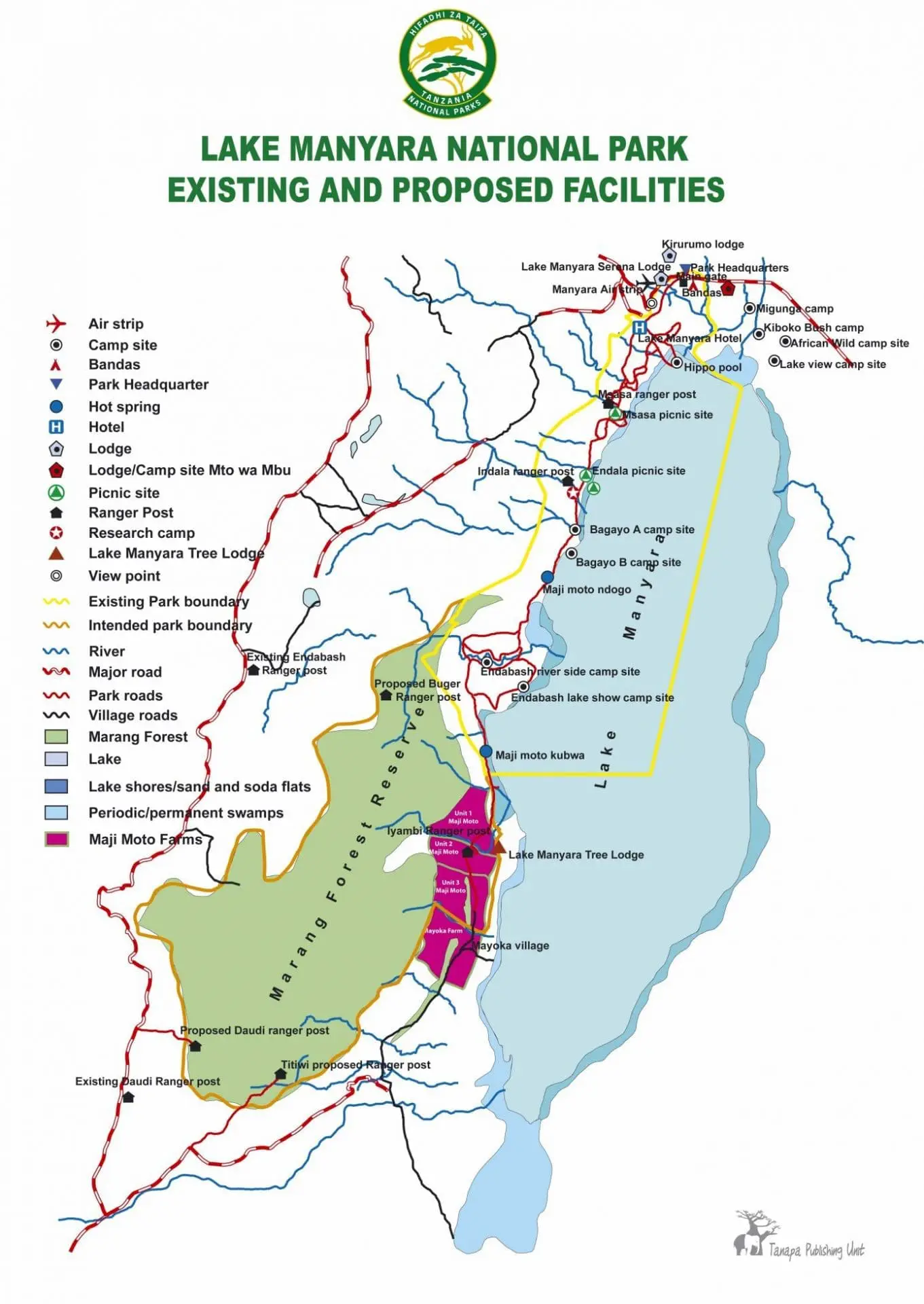
The name β€˜Manyara’ comes from the Maasai word emanyara and appropriately references a spiky, protective succulent tree used to corral livestock. With an area of 330 square kilometers, roughly as big as the island of Malta, it lies between the sheer cliffs of the Great Rift Valley in the west and the massive alkaline lake in the east. As such, it offers the most complex and tightly packed groundwater forest ecosystem on earth.

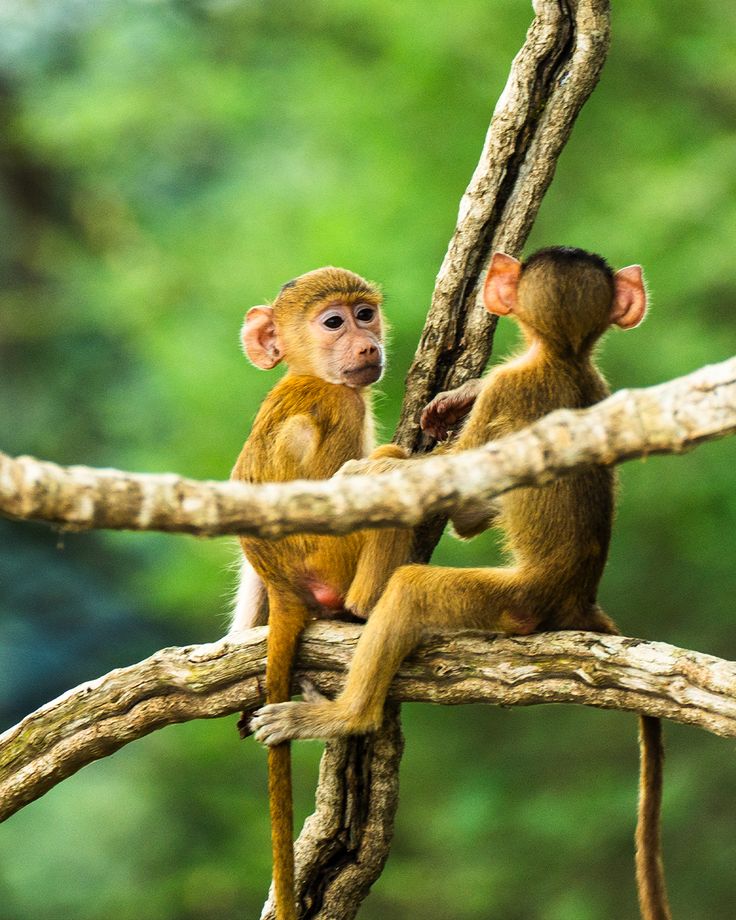
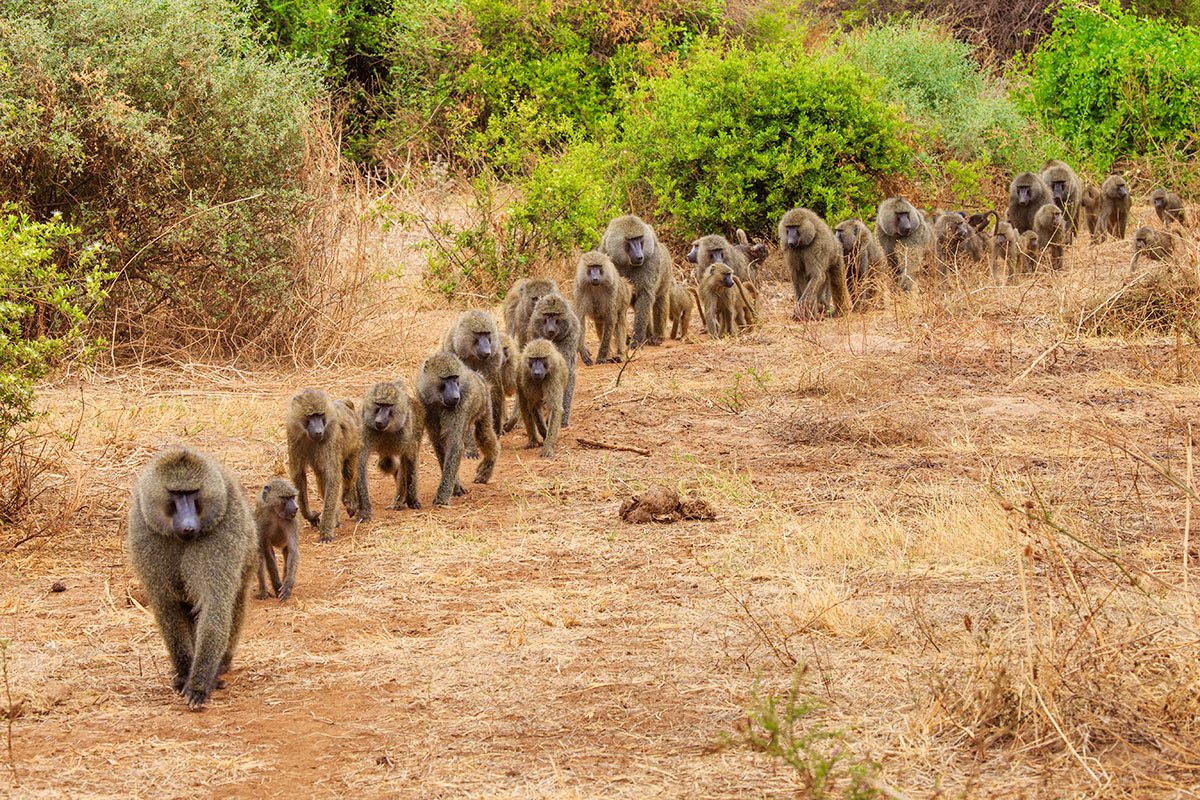
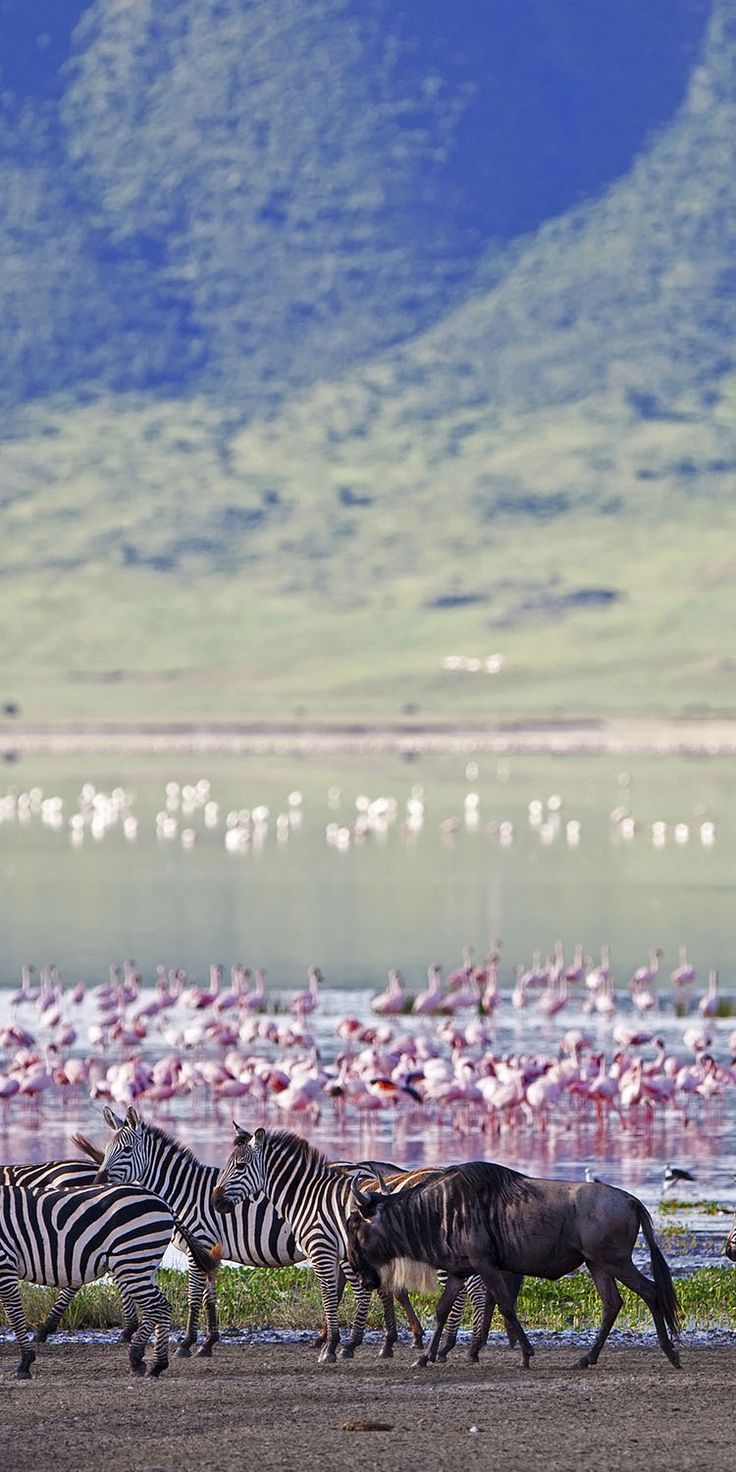
Lake Manyara National Park is undoubtedly the most ecologically diverse wildlife sanctuary in the world, unequaled for its varied habitats and dramatic scenic value. With more than three hundred baboons in a single troop, giant tuskers hidden in the bush, and thousands of pink flamingos painting the shoreline, it has the greatest concentration of distinct biomes in Africa.

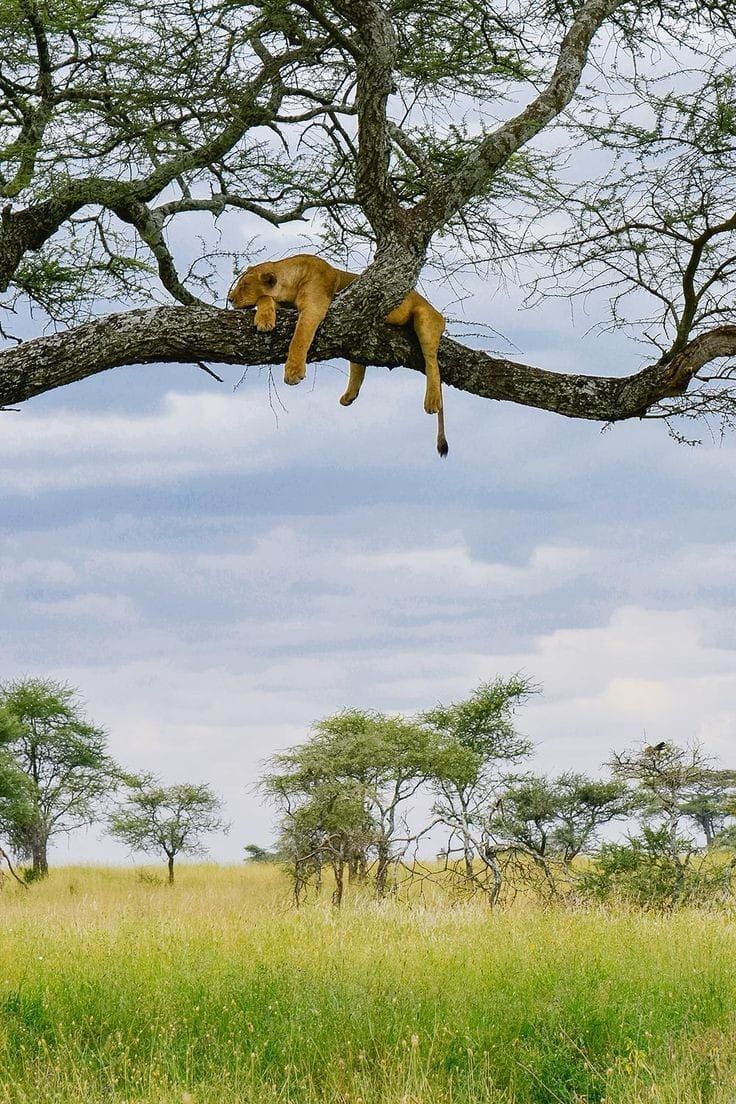
Explore the Manyara, a compact and vibrant wilderness that plays host to the famous tree-climbing lions, one of the most enigmatic spectacles of the natural world. Witness elusive leopards, massive hippo pools, and other magnificent species as they traverse the dense mahogany forests and brave the hot springs of Maji Moto.

Even when the lake waters rise or recede Manyara has the most spectacular bird watching in Africa, with silvery-cheeked hornbills, flocks of pelicans, agile martial eagles and thousands upon thousands of storks, ibises, cormorants, herons, egrets, and specialty migratory varieties.

Lake Manyara Defined

Serengeti vast plains with acacia trees
Wildebeest crossing Mara River - Great Migration

Where the Great Rift Valley meets the lake

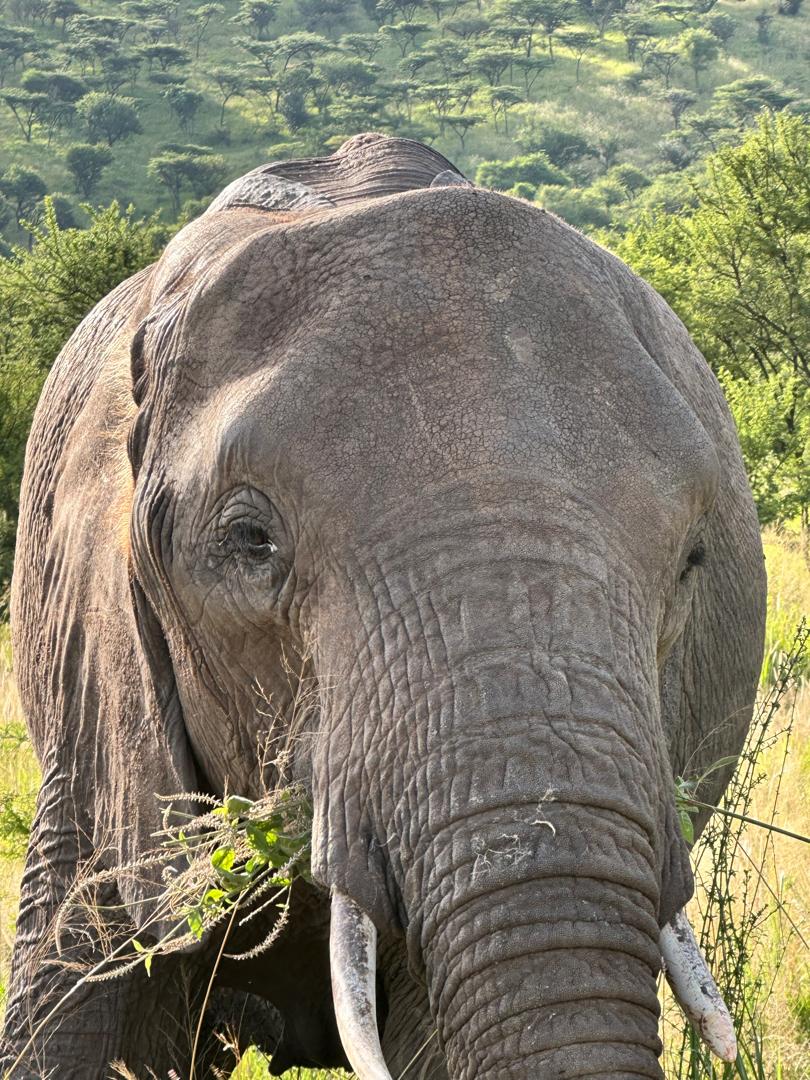
Leaving Arusha, the urban bustle quickly fades into a quiet, luxury escape. Your path winds down the massive stone cliffs into a vibrant forest filled with life. Here, elephants move gracefully through ancient trees and flamingos paint the water pink. Lake Manyara offers a refined safari experience, blending dramatic landscapes with peaceful, exclusive wildlife viewing.

The Manyara Allure

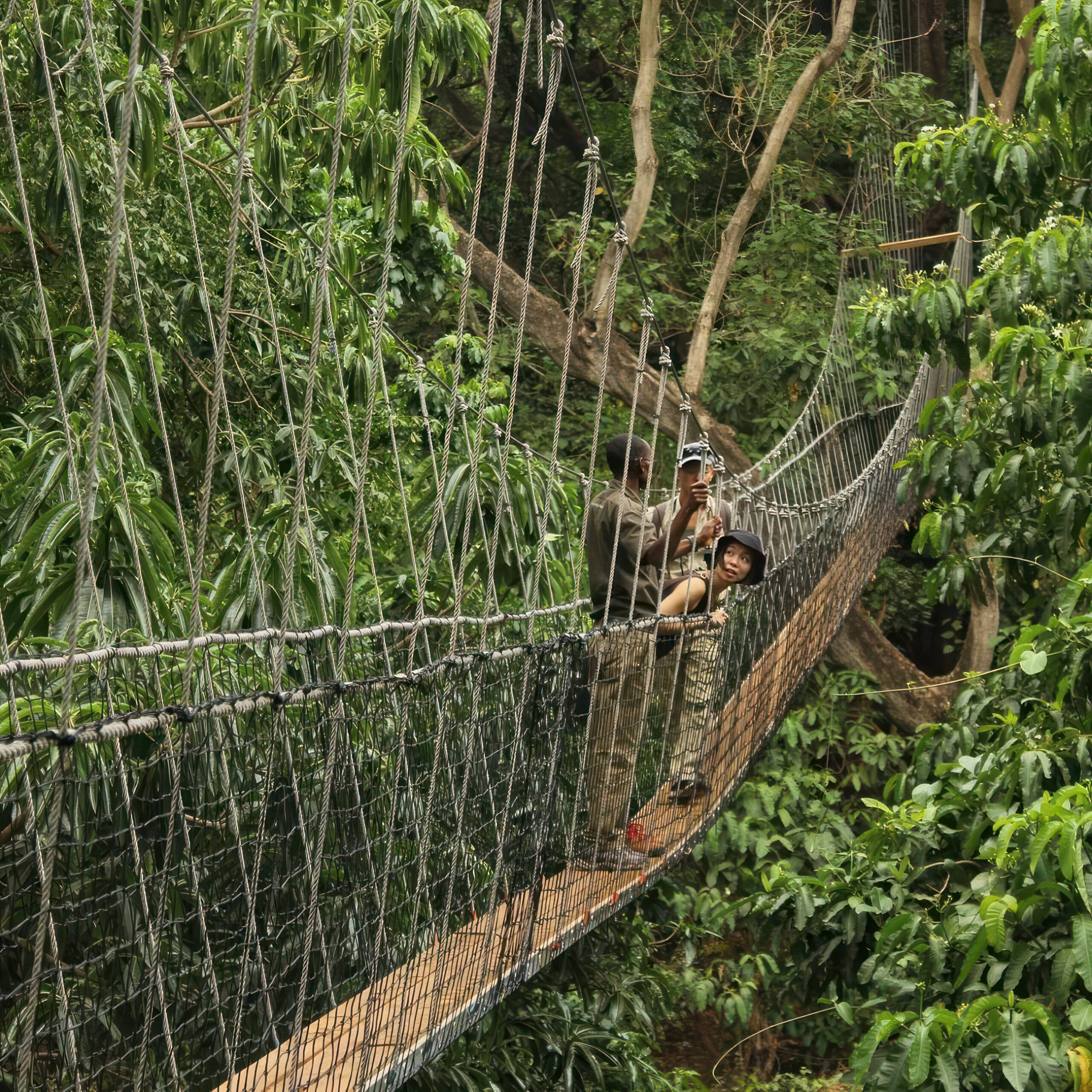
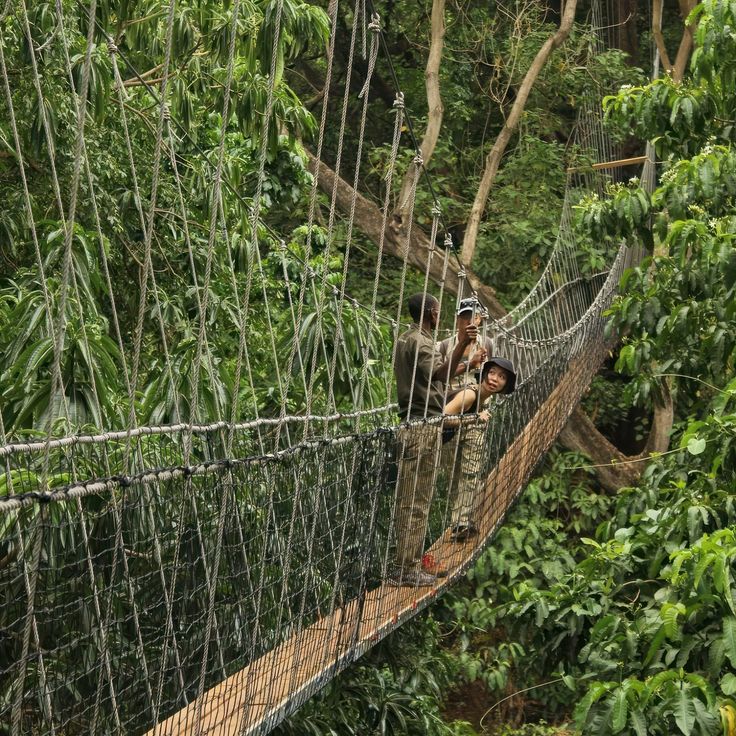
Treetop Walkway Canopy

CANOPY ADVENTURE

Walk among the birds on Tanzania's first treetop walkway, suspended high within a lush groundwater forest canopy.

LAKE MANYARA β€’ TANZANIA

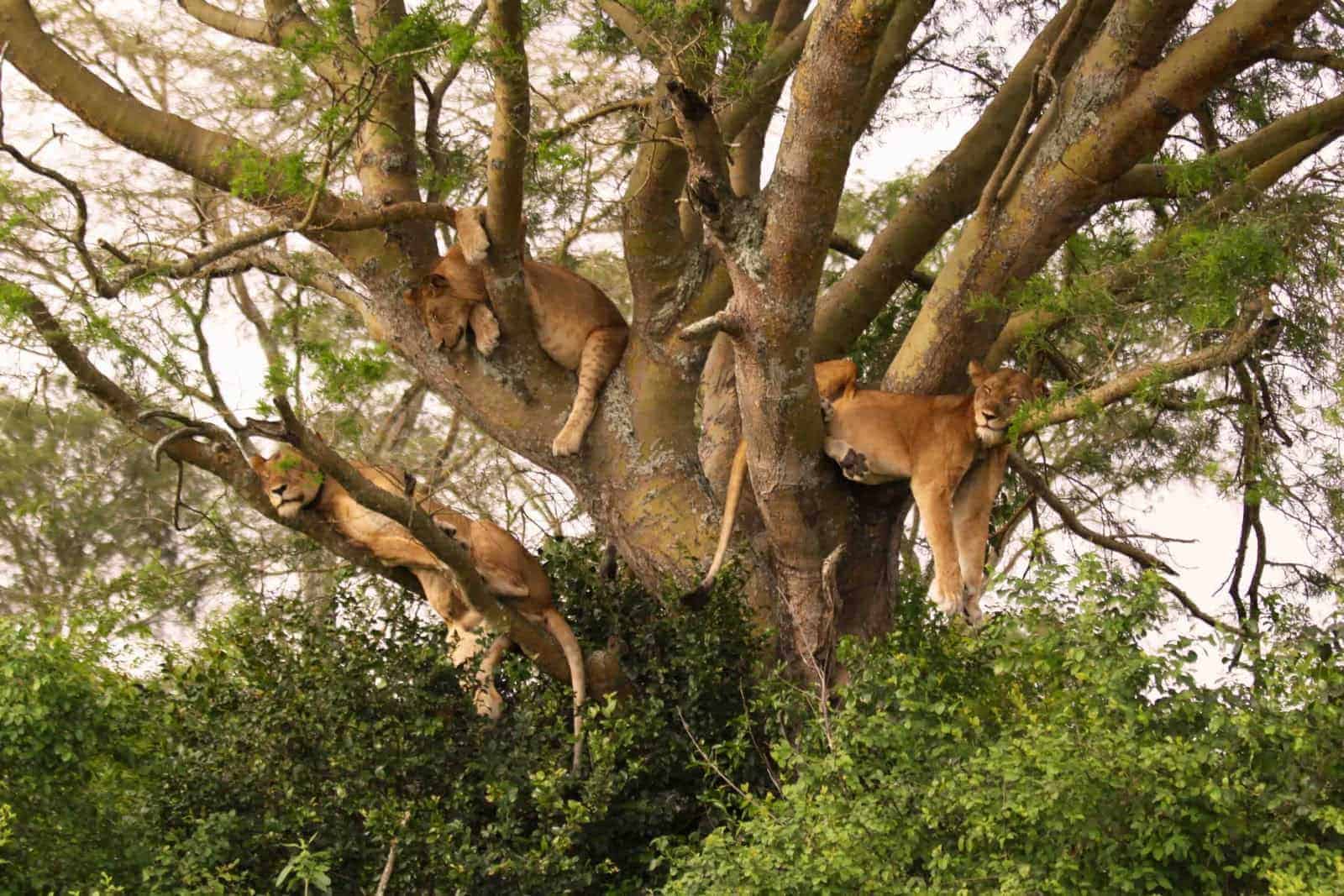
Tree-Climbing Lions

RARE BEHAVIOR

Scan the ancient mahogany and acacia branches to spot Manyara's famous, elusive tree-climbing lions resting above.

LAKE MANYARA β€’ TANZANIA

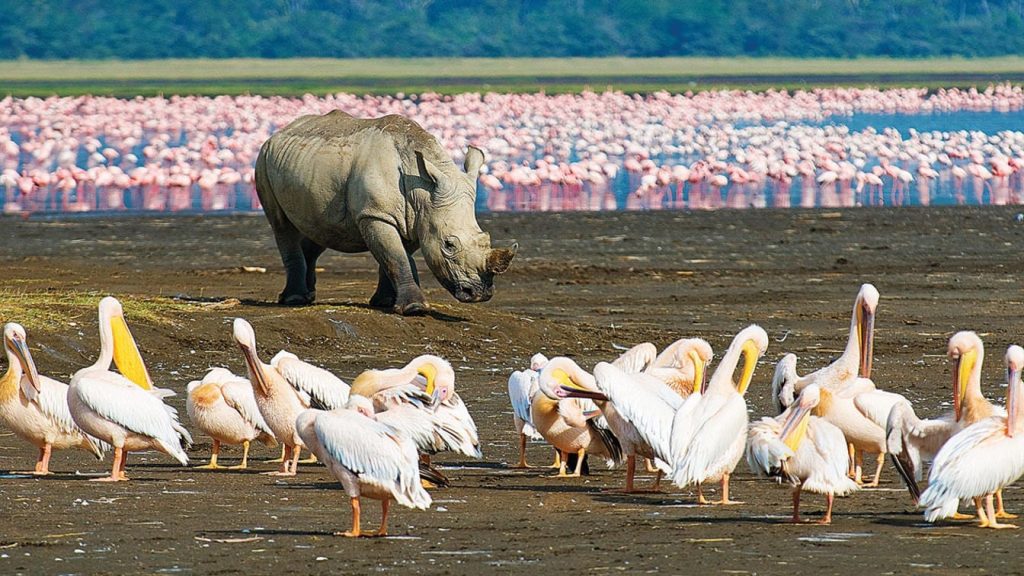
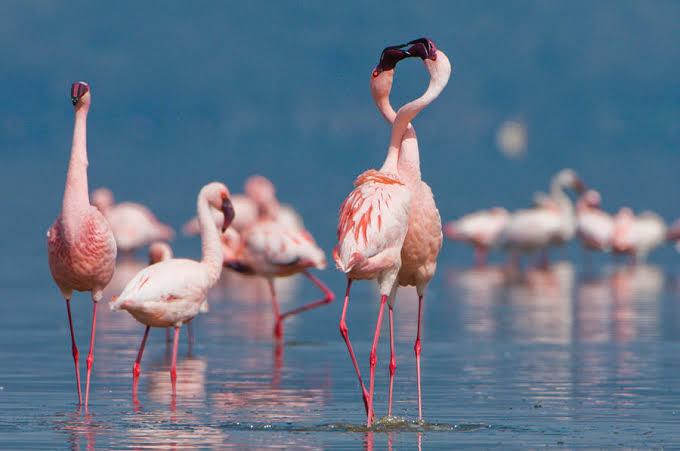
Pink Flamingos on the Lake

A SEA OF PINK

Witness thousands of lesser flamingos tinting the alkaline lake shores a brilliant, shimmering pink hue.

LAKE MANYARA β€’ TANZANIA

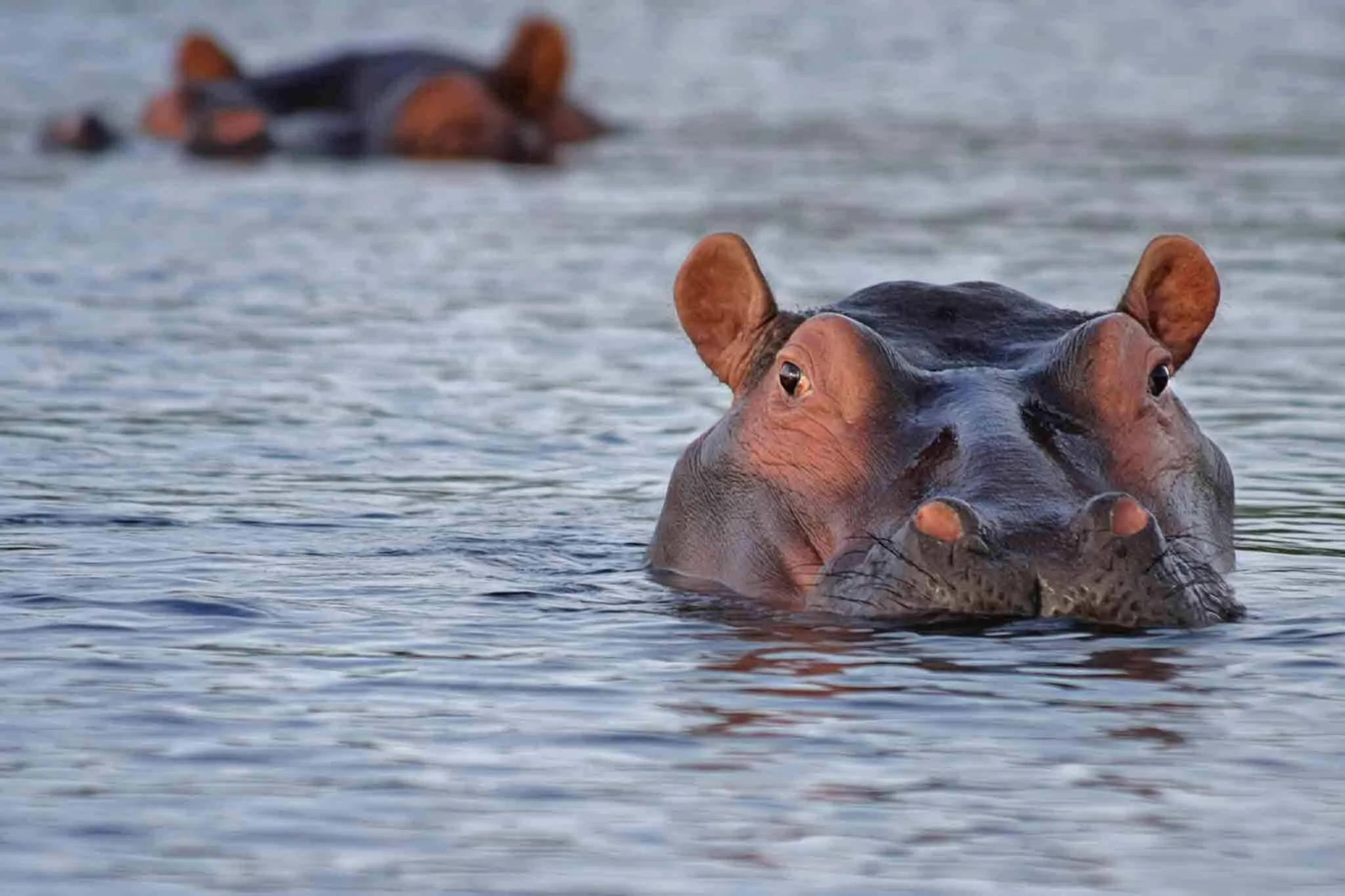
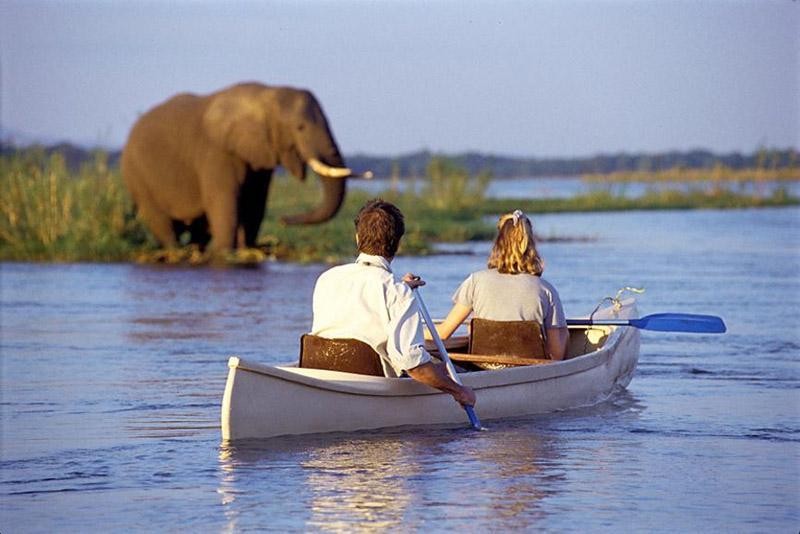
Lake Canoeing Safari

WATERWAY EXPLORATION

Paddle up close to wallowing hippos, diverse waterfowl, and elephants drinking peacefully along the shoreline.

LAKE MANYARA β€’ TANZANIA

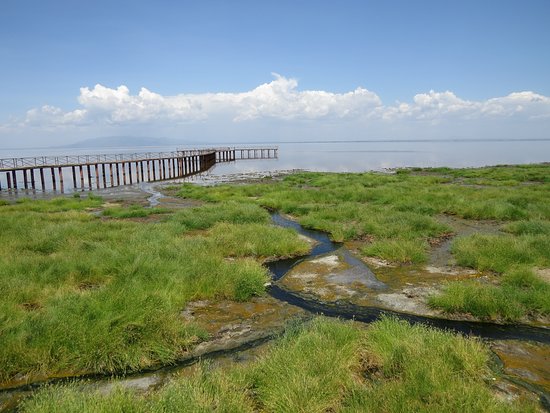
Maji Moto Hot Springs

GEOTHERMAL WONDER

Explore Maji Moto, a bubbling natural hot spring oasis tucked away beneath a dramatic Rift Valley escarpment wall.

LAKE MANYARA β€’ TANZANIA

Regions of Manyara

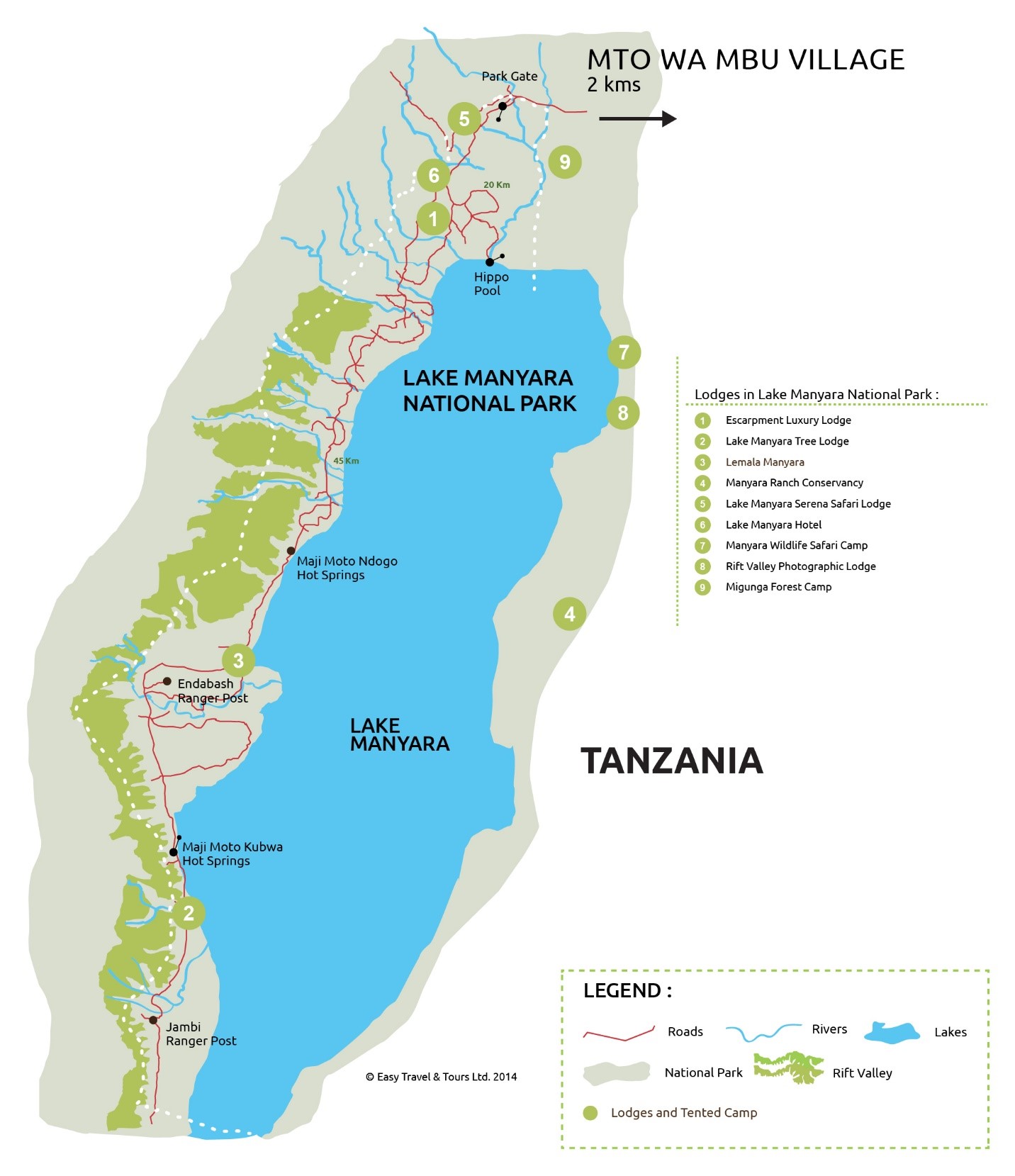
Manyara is a vibrant, water-fed ecosystem divided into four distinct regions, each offering its own unique wildlife spectacle and dramatic terrain. The Northern Groundwater Forest acts as the park's primal heart, a jungle-like canopy providing legendary, year-round baboon troop sightings amidst towering mahogany and fig trees. To the east, the Alkaline Lake Shoreline serves as a dramatic, pink-hued stage where millions of flamingos filter shallow waters and enormous pods of hippos splash in the marshy seasonal floodplains. Southward, the Msasa Acacia Woodlands transforms into a classic, branch-tangled savanna where Manyara's famous tree-climbing lions lounge overhead and massive herds of buffalo graze, inviting explosive predator action. Finally, the secluded Maji Moto Hot Springs offers a steaming sanctuary of volcanic rivulets and towering Rift Valley escarpment cliffs, serving as a private wilderness escape where unique waterbirds thrive.

Tanzania

Kahawa House

Serengeti House
Tanzania

Farm Valley

Nomad Lamai Serengeti
Tanzania

The Plantation Lodge

Serengeti Bushtops Camp
Tanzania

Arusha Coffee Lodge

Lemala Ewanjan Camp
Tanzania

Legendary Lodge

Four Seasons Serengeti
1 of 5
Section Background

Manyara is calling. How will you answer?

A successful Lake Manyara safari requires choosing the right season for your interestsβ€”the dry season from July to October for optimal big game viewing, or the wet season from November to June when the lake swells to host thousands of vibrant pink flamingos. To maximize comfort and adventure, consider luxury forest lodges tucked deep inside the canopy or premium camps overlooking the dramatic Rift Valley escarpment. Prioritize specialized activities unique to the park, such as embarking on a guided treetop canopy walk, night game drives to spot elusive predators, or a peaceful canoeing safari along the lakeshore.

Lake Manyara National Park FAQs

Lake Manyara is world-renowned for its tree-climbing lions, large herds of elephants, and one of the highest concentrations of baboons in Africa. It also features a stunning variety of habitats, from the alkaline lake teeming with flamingos to the lush groundwater forest and dramatic Rift Valley escarpment.

While not unique to Manyara, the tree-climbing lions here are particularly famous. They climb trees to escape the heat, avoid flies, or gain a better vantage point to survey the surroundings. Watching a pride of lions resting high up in acacia trees is a truly unique safari sight.

The dry season (June to October) is excellent for game viewing around the lake and forest. The wet season (November to May) transforms the park into a lush paradise and attracts thousands of flamingos and other waterbirds, making it a top destination for bird lovers.

Most visitors spend one full day in Lake Manyara. This is usually enough time to enjoy morning and afternoon game drives. It is often visited as a stopover on the way to Ngorongoro Crater or Serengeti.

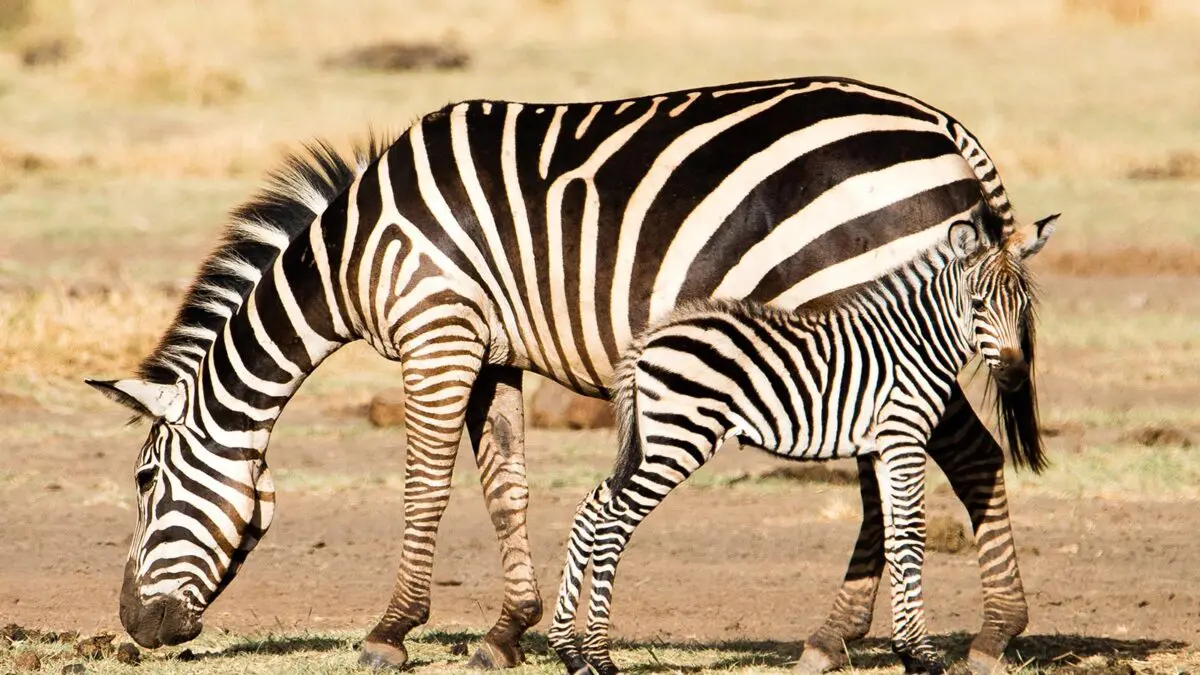
Besides the famous tree-climbing lions, you can see large elephant herds, giraffes, hippos, zebras, wildebeest, and numerous monkey species (especially olive baboons). The park is also a birdwatcher’s paradise with over 400 species recorded, including flamingos, pelicans, and hornbills.